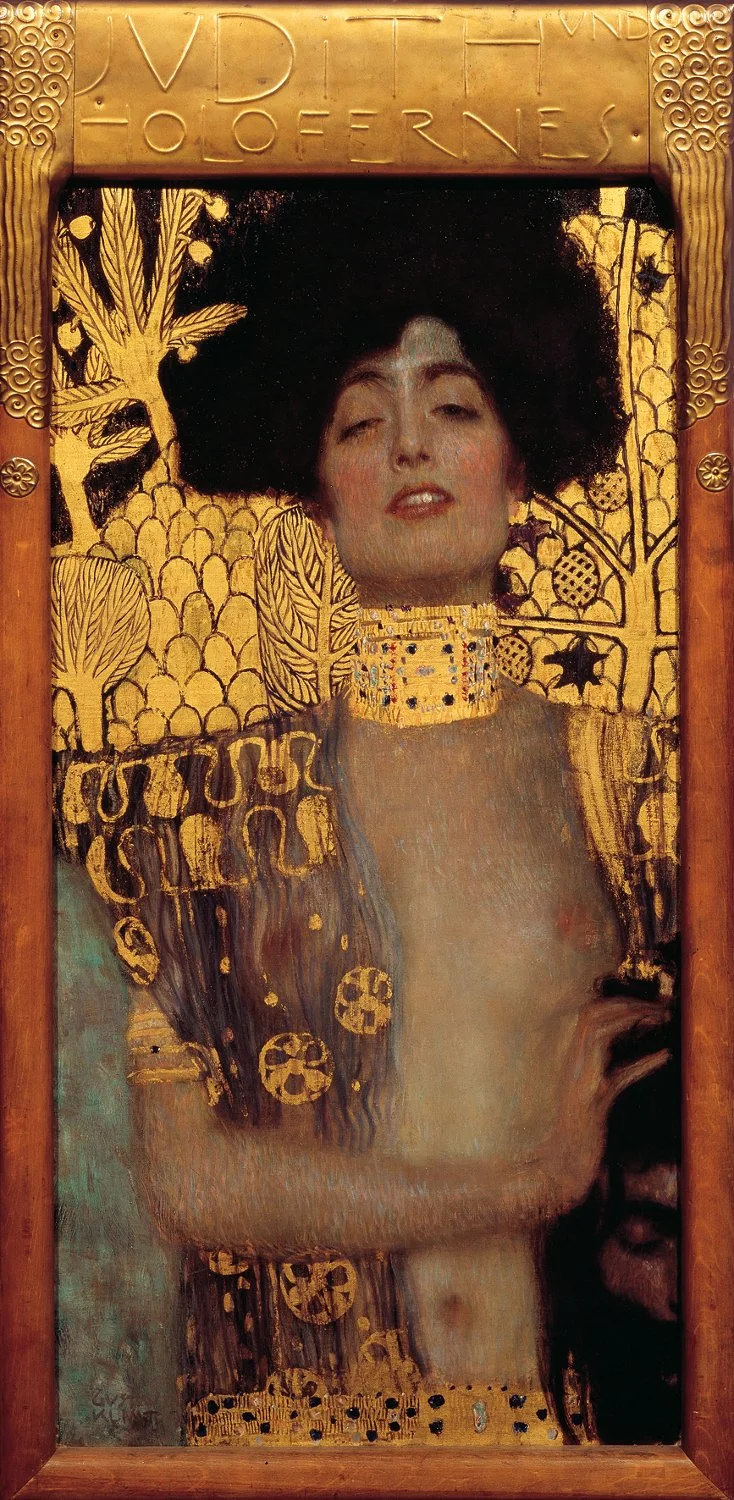
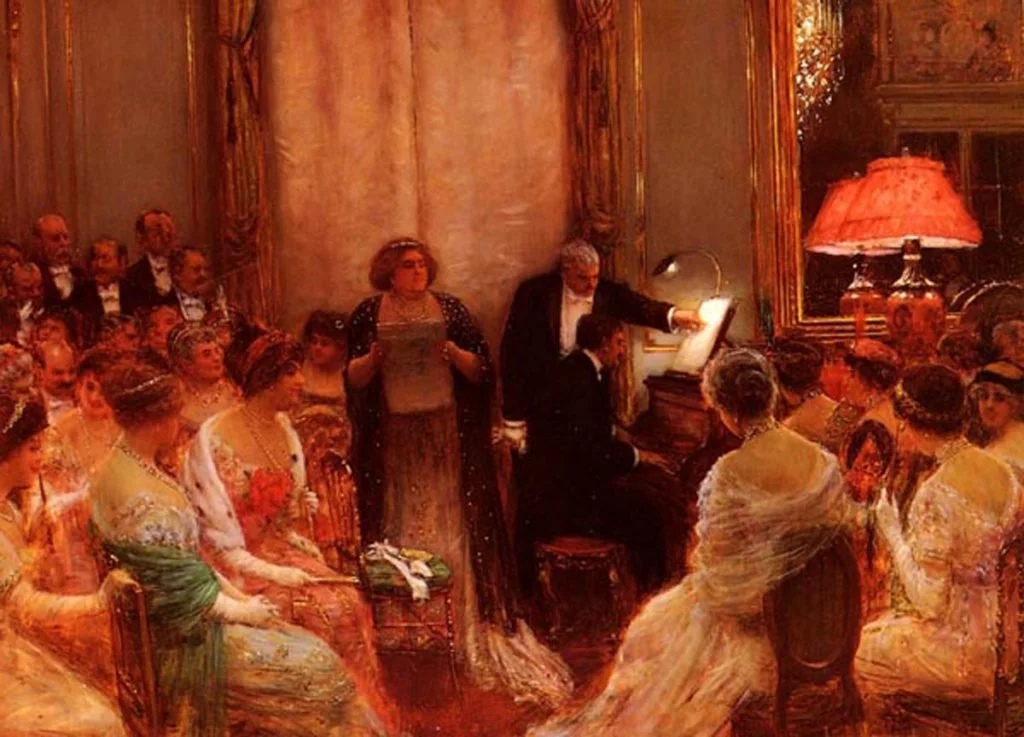
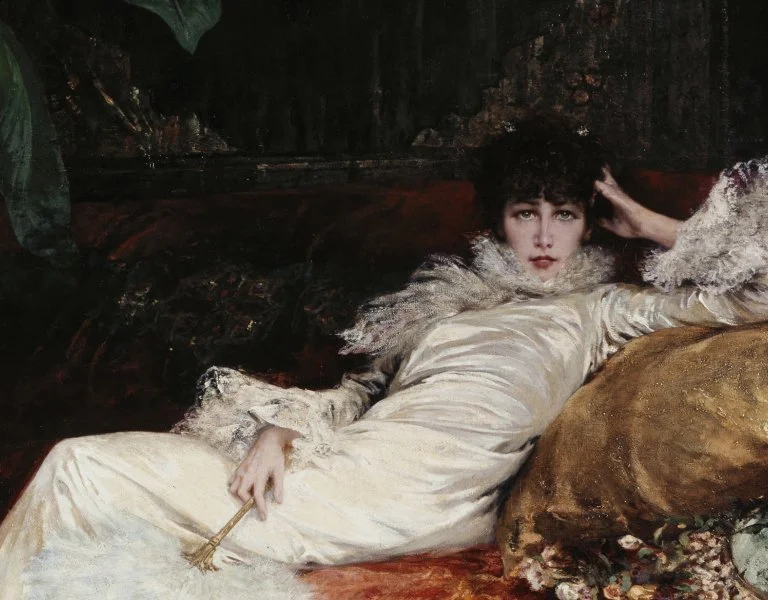
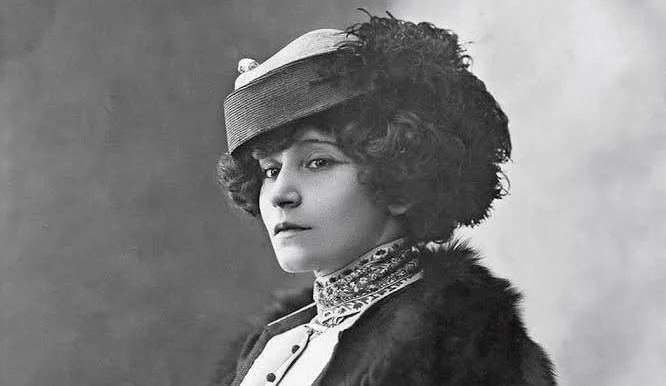
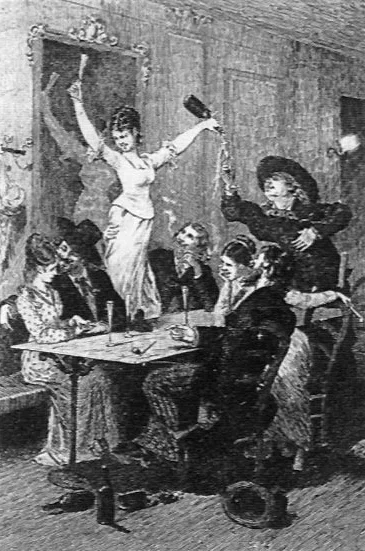
Our party was inspired by the cultural, artistic, literary and musical salons in Paris post Prussian War and before World War One. The Golden Age, the Belle Epoque. This was an exciting time for exploratory arts, technological advances, free thinking and free love. There was a particular obsession for all things ‘oriental’ thus North Africa, Turkey, Persia, Bohemia, The Far East, Byzantium….thus was born this ecclectic, pan-cultural ‘Bohemian look’ for most of the art world. The 1890’s Paris saw the emergence of bourgeoisie, industrialists, and art dealers supporting already seasoned avant-garde artists like Cézanne, Gauguin, and Van Gogh, alongside wealthy Belle Époque. Elites drawn to new entertainments and cosmopolitan tastes; hosting international artists and intellectuals, highlighting a mix of private collecting, dealer-driven support, and societal interest in art during the era. Often times these gatherings would debut young artists like Gustav Klimt; formally trained, awarded with honours and part of new art movements who were in search of patrons and sponsors ; willing to do what it takes to advance their careers. Or the talented muses, models and lovers who were secretly learning from the greatest artists of the time like Suzanne Valadon.
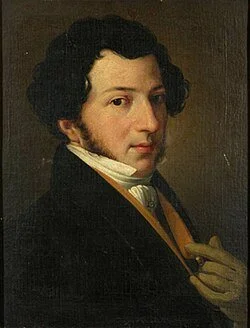
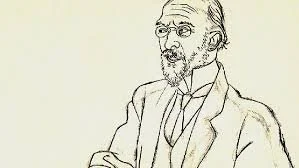
On the music scene, Rossini was already a name of the past, classical. Everyone was now raving about Giuseppe Verdi in mainstream culture, but the underground, counter-culture cultural elite had their eyes on sensual, emotional and esoteric anti-establishment musicians like Erik Satie or the love-sick Chopin.
Writers fancied by the Bohemian elite were naturalists, moderists and symbolists such as Guy du Maupassant were spreading ideas of free love (Bel Ami) or the realism of Emile Zola (Nana).